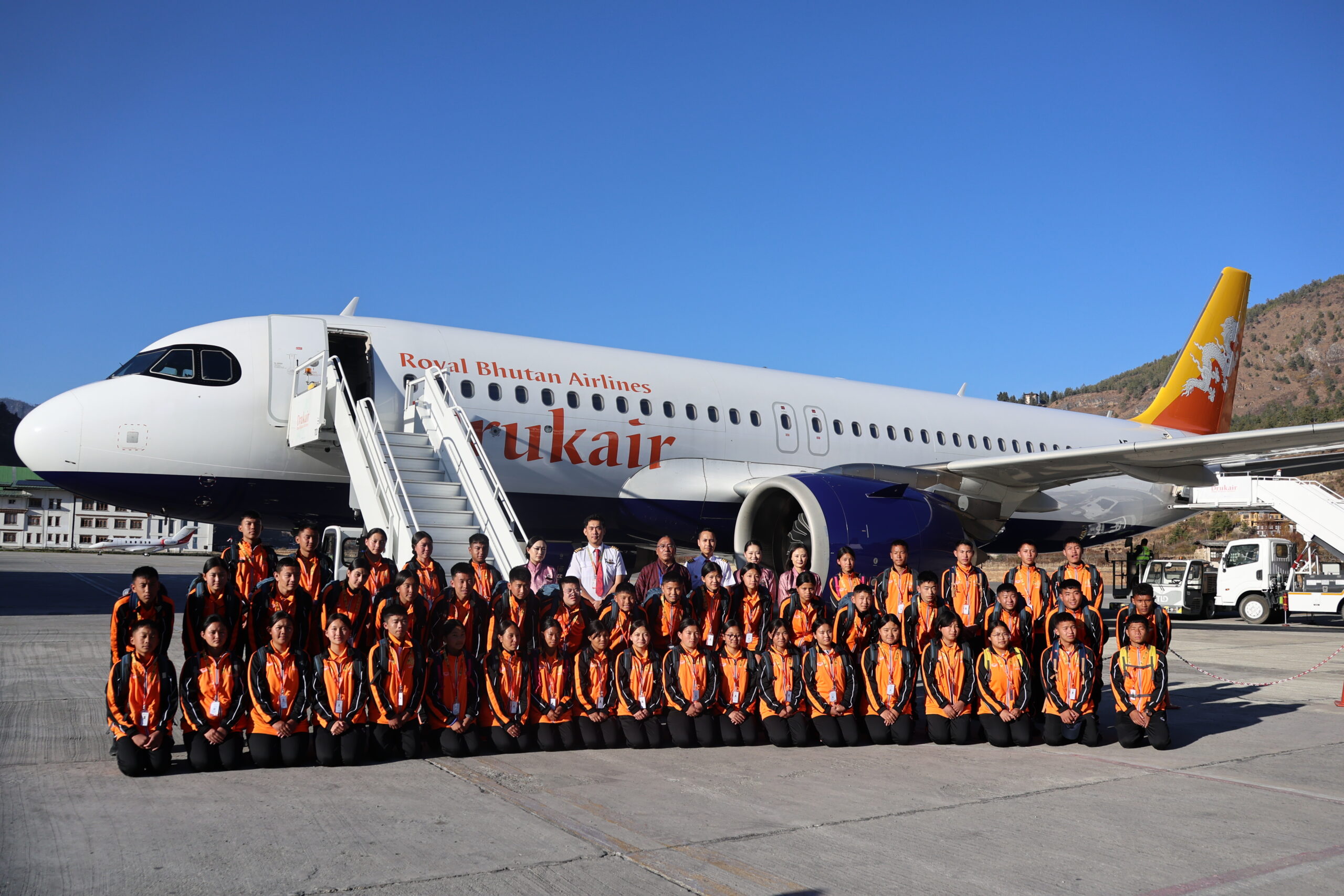
Wings of Inspiration: Drukair’s Tongsa Penlop Inspire Program. Dressed in matching orange T-shirts and black tracksuits, the students stood in neat rows at Paro International Airport, their boarding passes clutched like passports to a new life.
The 2025 cohort at Paro International Airport
For most of the students, airports were places seen only on television and in social media clips shared by friends living in towns. But on that winter morning, the airport was real – its check-in counters, the rolling suitcases, the roar of engines somewhere beyond the runway.
They were 47 students (23 boys and 24 girls) drawn from 20 dzongkhags across Bhutan. Among them were three students with special needs, and alongside them seven teachers who looked equal parts proud and anxious, like parents on a first day of school.
Many students came from remote schools where the road ends in mud and the day begins with long walks across fields, suspension bridges, or mountain tracks. They were selected because they were academically strong, from disadvantaged backgrounds, and had never travelled abroad before.
The journey was part of the Tongsa Penlop Inspire Program (TPIP), an educational outreach initiative run by Drukair, Bhutan’s national flag carrier, repurposed from the earlier Tongsa Penlop Rolling Trophy Annual Golf Tournament.
“An opportunity to travel abroad and to see the world differently will inspire less privileged students for life.” — Yab Dasho Dhondup Gyaltshen, Founder, TPIP
TPIP had already been held successfully in 2018 and 2019. Its third edition, launched in December 2025, brought together students and teachers for a carefully designed itinerary that mixed cultural grounding at home with international exposure abroad – a deliberate attempt at confidence-building, not a luxury holiday dressed up as education.
Orientation at Druk Gyalpo’s Institute
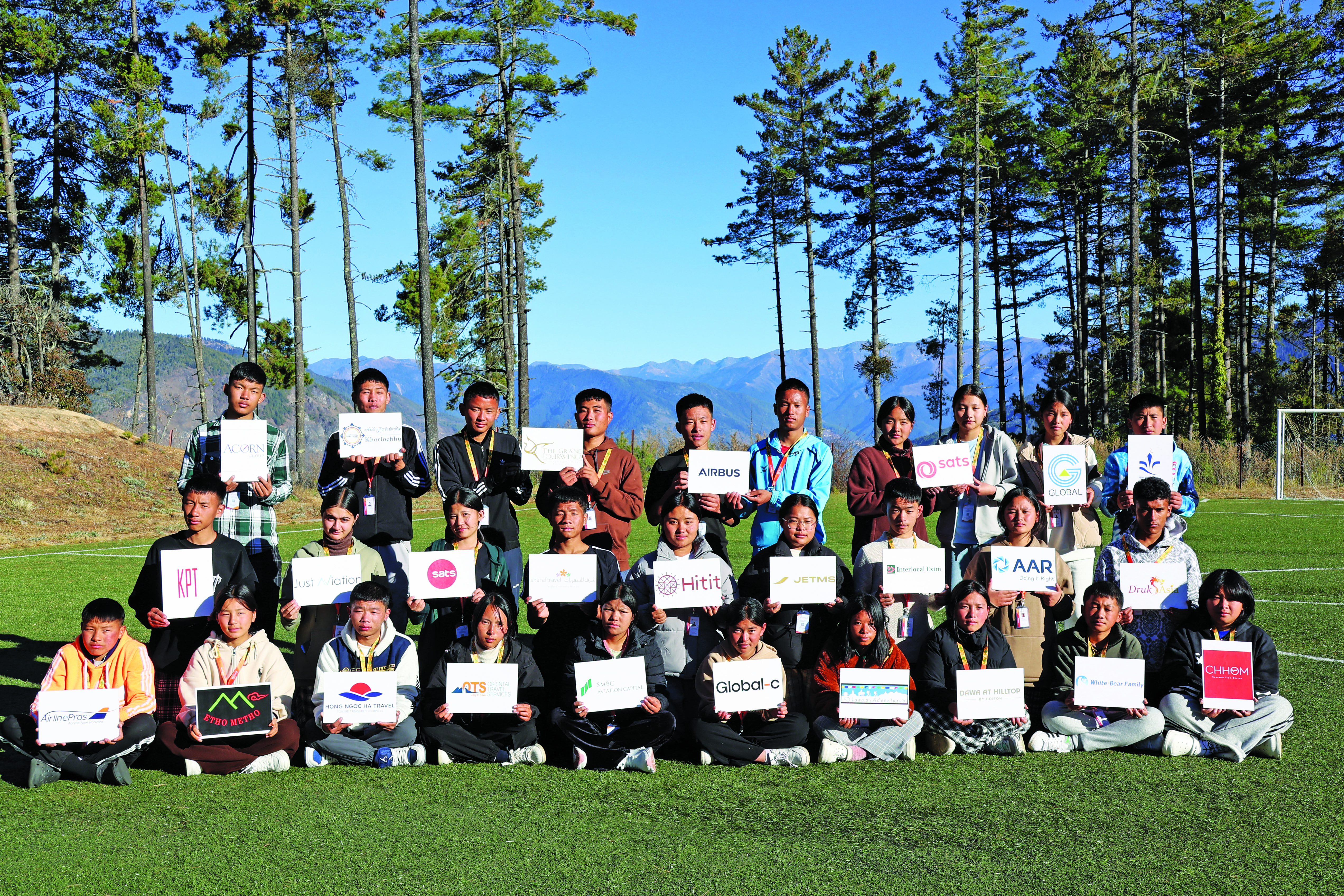
The first group arrived in Paro on December 18, with others joining the next day. They were hosted at Druk Gyalpo’s Institute, an environment that itself felt like a different universe to students from small village schools, going through grooming and confidence-building sessions, travel etiquette briefings, and an introduction to how airports and airlines work.
On December 20, the students visited Dungkar Dzong for cultural reflection, a grounding moment that reminded them who they were even as their environment expanded. On December 21, they travelled to Thimphu, visiting Buddha Point, the Takin Preserve and Changyul Park, before a warm reception dinner hosted by Drukair that evening.
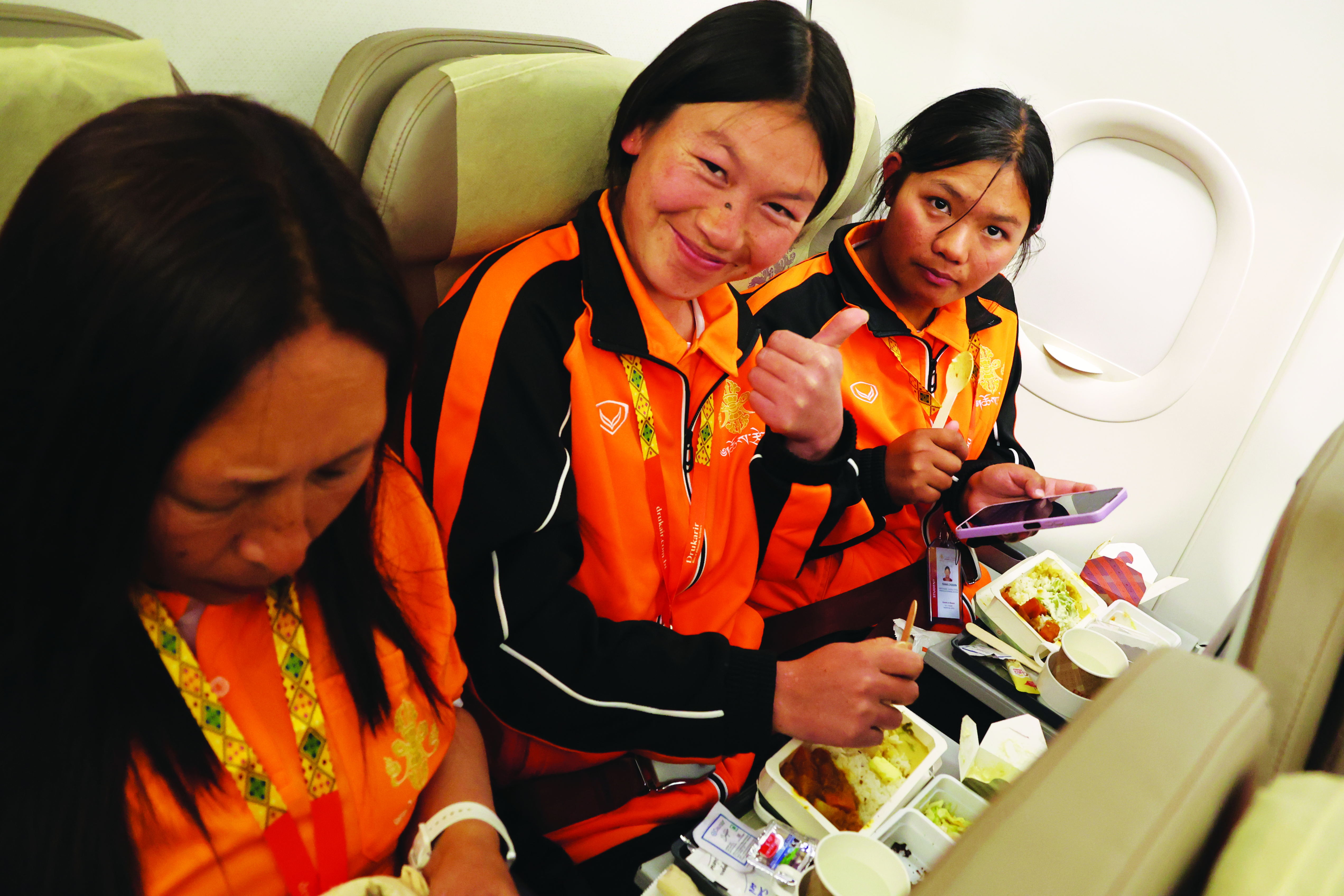
Each student was presented with a full set of travel merchandise, thoughtfully put together to ensure they lacked nothing on the trip: a gho with lagey, and kira with tego and wonju; formal shoes and sneakers; formal and casual socks; tracksuits; a thermal jacket; a suitcase and a daily backpack; T-shirts, half pant and cap; and a toiletry bag stocked with shampoo, toothbrush, toothpaste, comb, sunscreen and a bath towel.
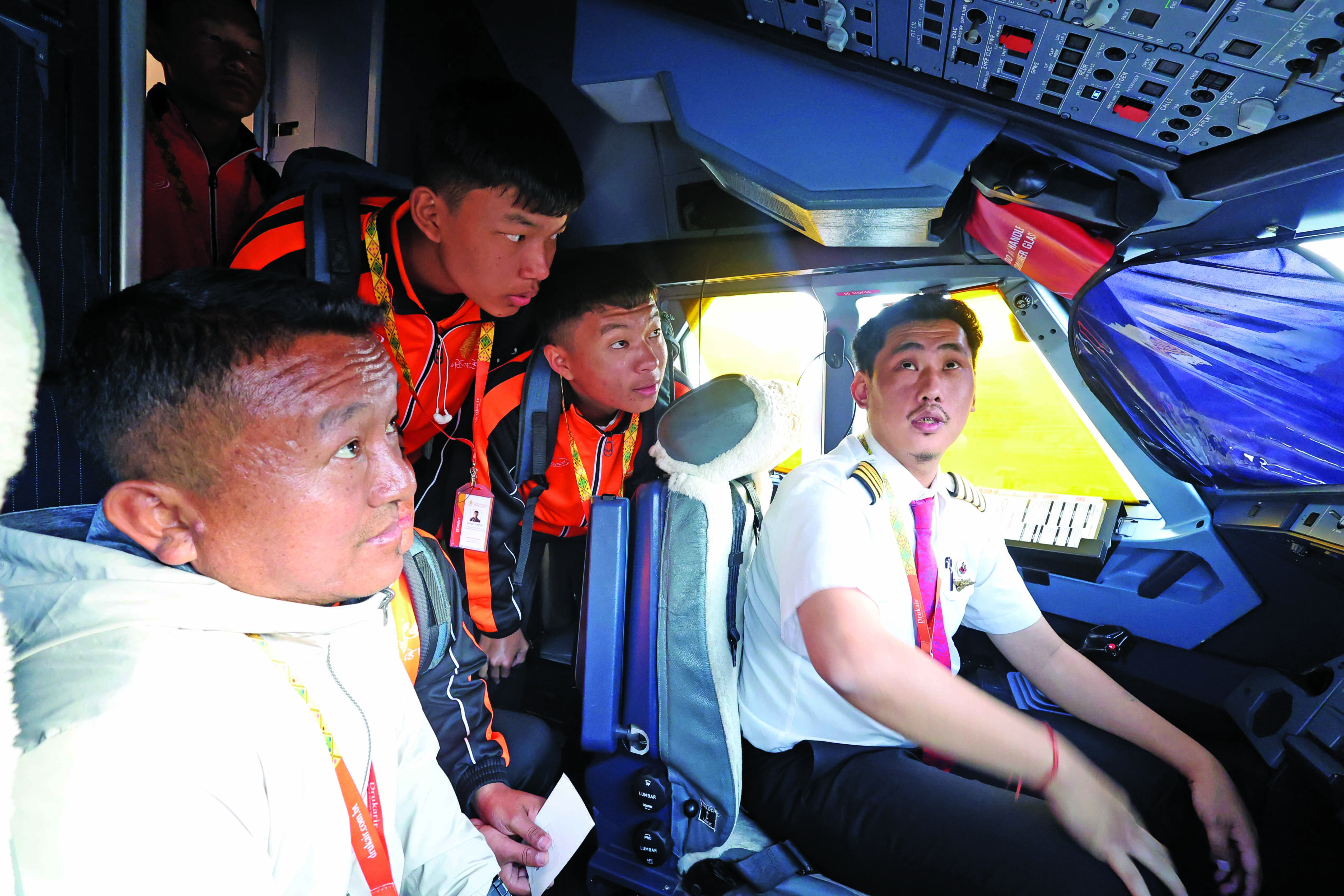
The students also received their passports, ID cards, baggage tags and water bottles – details that carried extraordinary meaning for children who had never travelled beyond their districts. That day they visited Paro International Airport, not as travelers yet, but as learners, observing firsthand how Bhutan connects with the world through aviation.
For one student, the first shock came even earlier, from a domestic flight. Dawa Tshomo, a student of Tshekharla Central School, flew for the first time from Yonphula Domestic Airport. The moment the wheels left the runway, fear rose sharply inside her.
“When the aeroplane took off, I felt scared at first. But when I looked down and saw the mountains growing smaller, I realised how fortunate I was to get this opportunity.” — Dawa Tshomo, Tshekharla Central School
In villages where horizons are blocked by ridges, the world feels physically close, enclosed by geography. From the sky, the same mountains shrink into shapes. The mind does, too. It loosens. It begins to believe.
“I never even dreamt of flying on Drukair, let alone staying in a big city like Bangkok. This trip showed us there are no limits to what we can achieve if we study hard and believe in ourselves.” — Jamyang Yoezer
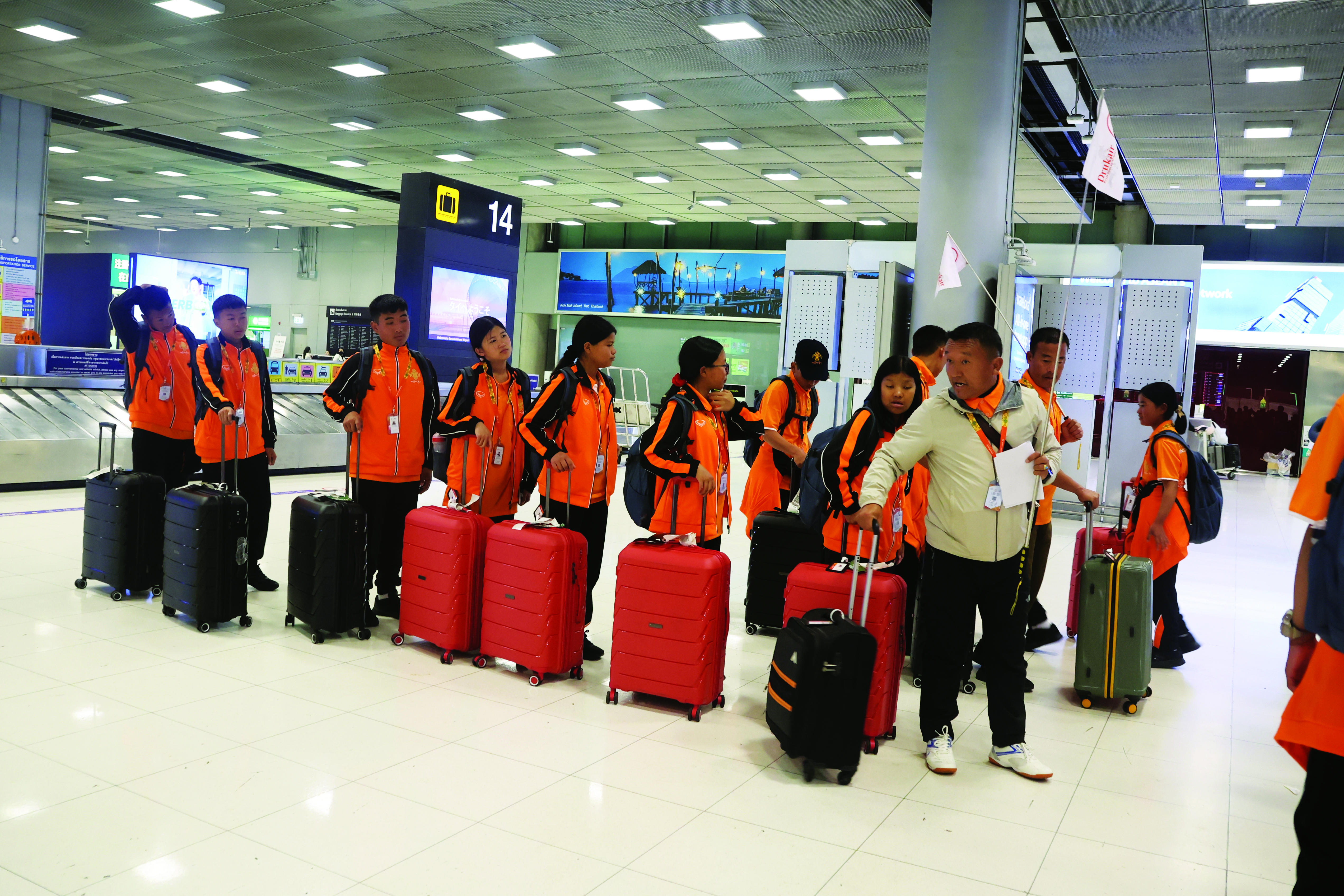
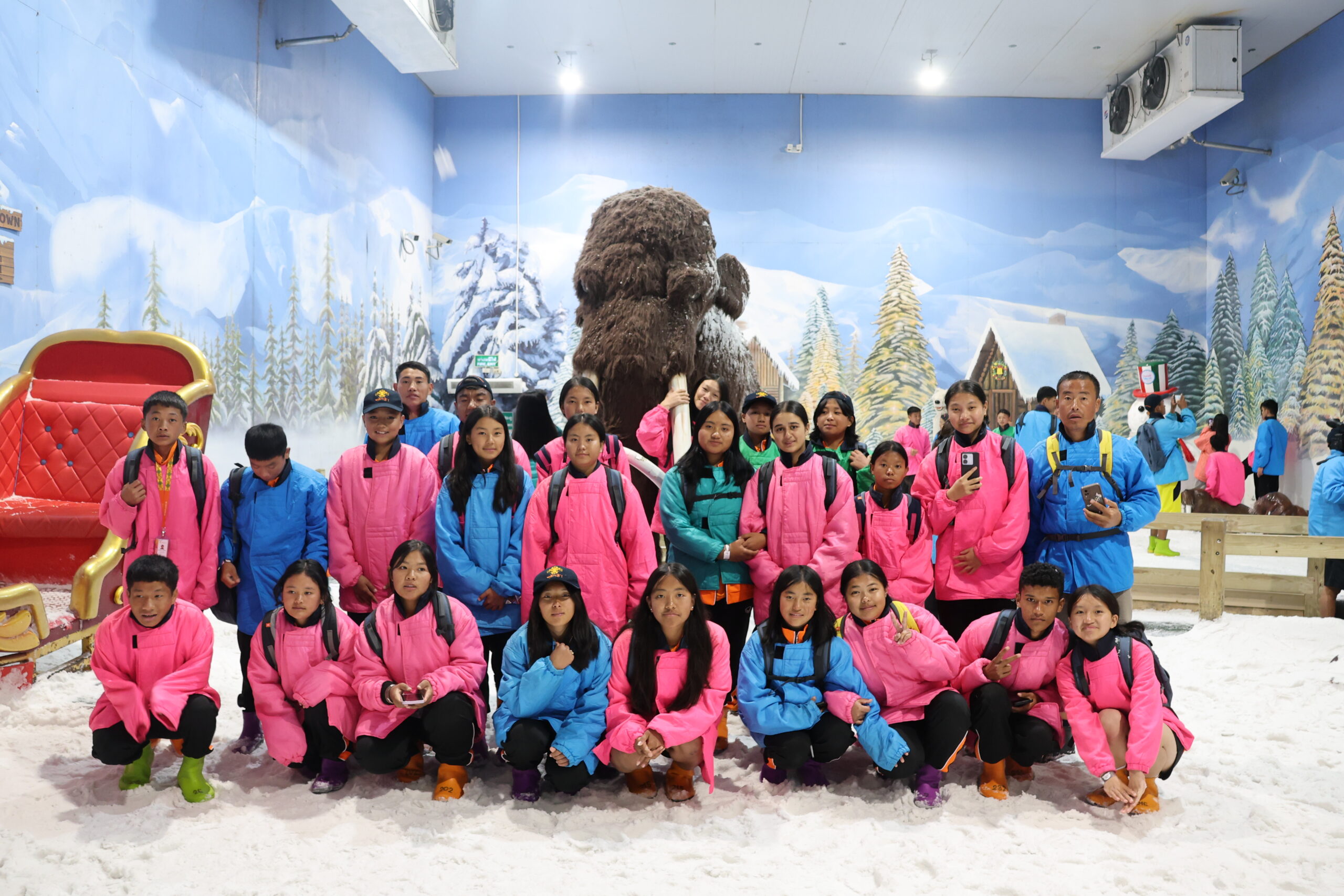
When the group arrived in Thailand later that evening, Bangkok did what big cities always do – it overwhelmed. For students who measure distance in hours of walking and roads in hairpin bends, Bangkok was scale and speed made visible. Cars moved like rivers. Shopping malls looked like airports. Buildings rose into the sky as if they had no reason to stop.
At the centre of it all was their hotel, the Grand Four Wings, a five-star property where the students stayed for five nights.
“I had never been inside a five-star hotel before. That night made me realise that such places are not only for rich people. If we work hard, we can reach there one day too.” — Pema Samdrup, Royal Academy
Visit to Dhammajairine Wittaya School, Ratchaburi
The students travelled to Dhammajairine Wittaya School in Ratchaburi Province, interacting with Thai students, sharing stories, observing classrooms, and discovering that education can look different while still serving the same purpose: to broaden life choices.
“We learnt about a different education system and saw how students are prepared for practical skills alongside academics. This opportunity has changed how I see my future. I will remember this trip for the rest of my life.” — Dawa Choden, Samtengang Higher Secondary School
A teacher escorting the students from eastern Bhutan, Dorji Phub, noticed a particular spark in them as they encountered technology abroad – items many already knew existed, but had rarely touched or seen in abundance. “With access to similar facilities,” he said, “Bhutanese students can also learn quickly and gain hands-on experience.”
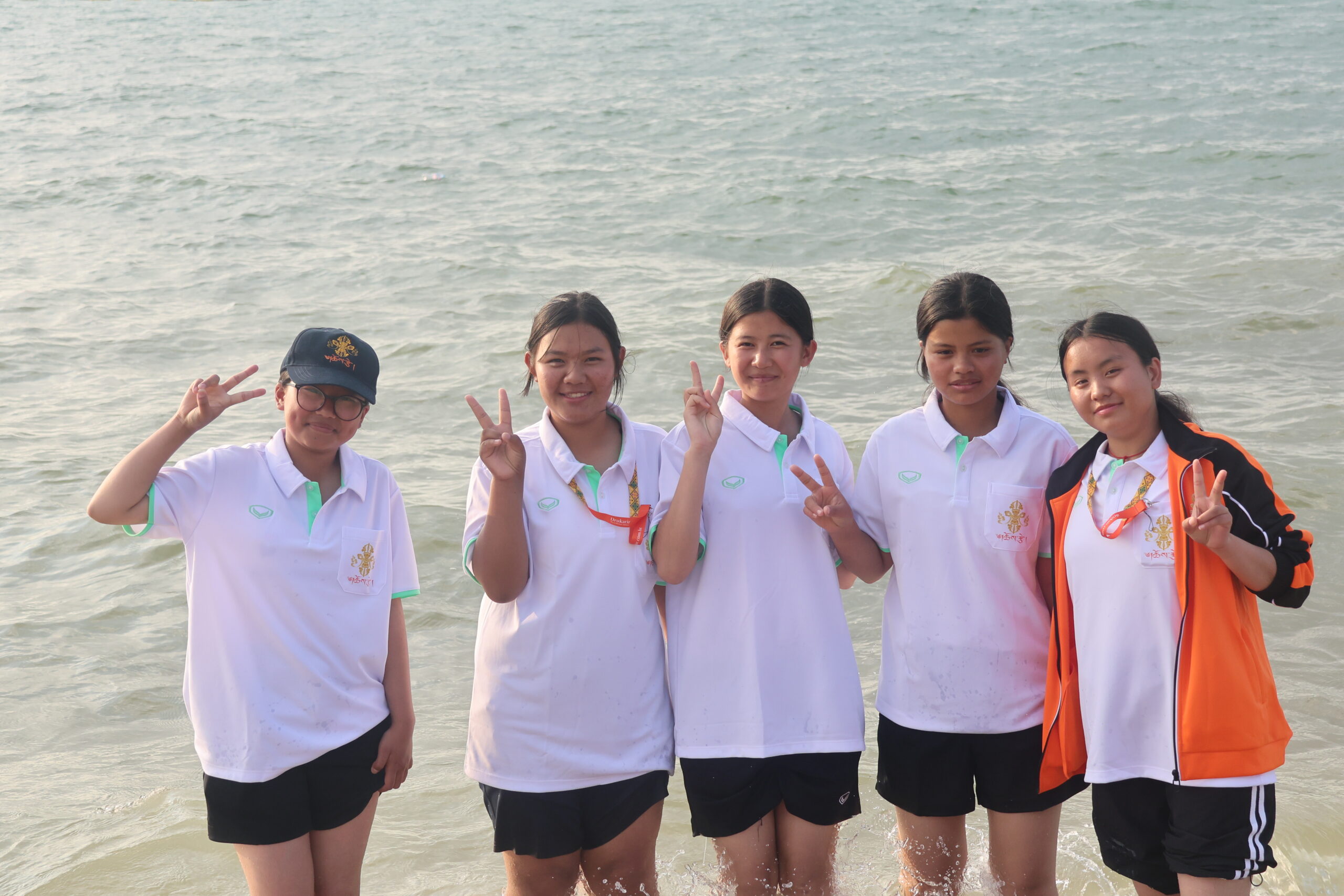
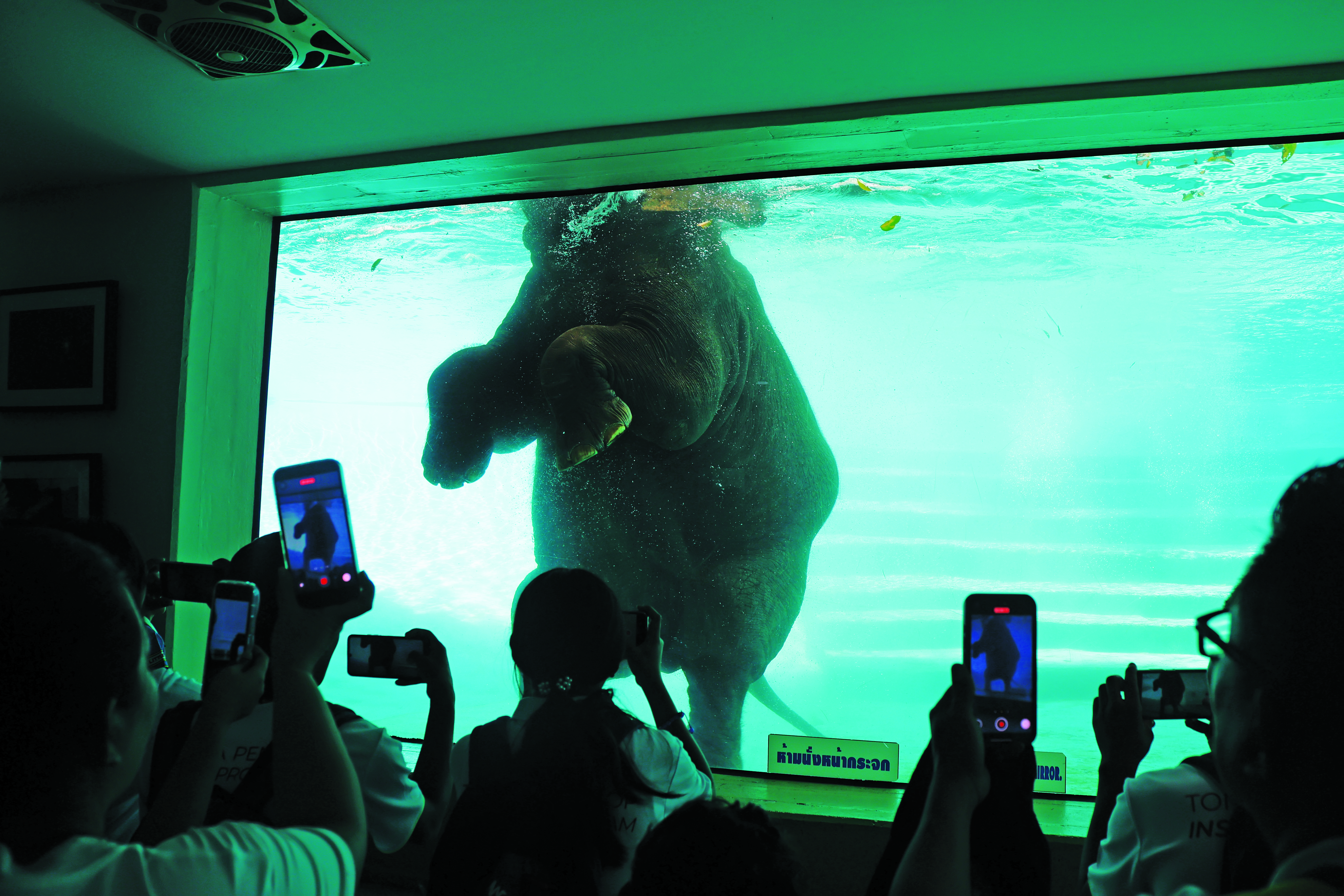
The students visited Khao Kheow Zoo and then Pattaya Beach. For children raised among mountains, the sea feels like a myth made physical.
“We have read about oceans in our textbooks, but seeing the oceans with our own eyes was unbelievable.” — Karma Yuden
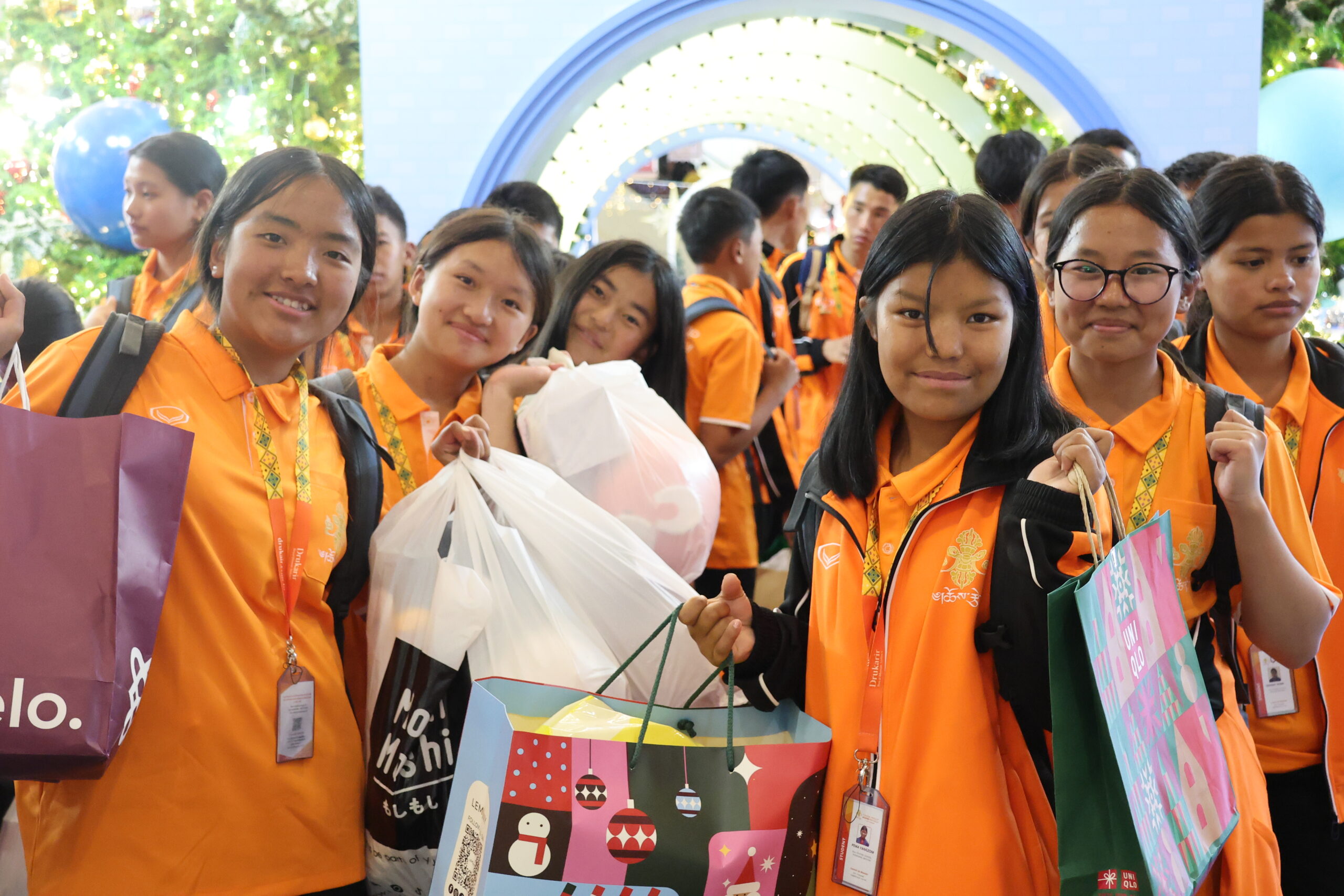
Dream World amusement park on December 25 gave the students their first taste of a theme park – rides, lights, laughter and joy. Ocean World on December 26 extended that wonder into marine ecosystems, followed by a lunch hosted by the Royal Bhutanese Embassy in Thailand and interactions with Trongsa Penlop scholarship students. Even the shopping trip that followed, a Bangkok rite of passage, carried meaning: for students who rarely enter urban stores, a mall is not merely commerce, it is exposure.
The participants returned to Bhutan. But they did not return the same. “They didn’t just return with photos. They returned with confidence, curiosity, and dreams that are now much bigger than before,” observed an escort teacher. Two past participants from 2019, now working professionals, said the programme inspired them to work harder and pursue their goals.
Farewell and certification ceremony
In Bhutan, conversations about inequality often focus on infrastructure – roads, internet, schools, facilities. Those matter. But there is another inequality, harder to measure: the inequality of exposure. For children without reference points, the world narrows – not because they lack talent, but because they lack a sense of how big “big” can be. TPIP addresses that gap directly, normalising diversity by bringing together students from different dzongkhags, including those with special needs, into environments where difference is celebrated.
Beneficiaries were selected jointly by the Office of the Gyalpoi Zimpon (Kidu Office) and the Ministry of Education and Skills Development (MoESD), prioritising students who were academically strong but from disadvantaged backgrounds with no prior experience of international travel. Drukair sees TPIP as aligned with its broader CSR goals – youth empowerment, inclusive development, and nation-building beyond commercial aviation.
At the farewell event, the students were recognised with certifications, and partners – including the Office of Gyalpo Zimpon, the MoESD, Druk Gyalpo’s Institute and media partner BBS – were honoured for their support, with a closing dinner hosted at Hilltop. But the most valuable souvenir was invisible: the moment Dawa Tshomo looked down and saw the mountains grow smaller; the moment Karma Yuden saw the sea and realised textbooks were only the beginning; the moment Pema Samdrup walked into a luxury hotel and understood that ambition is not reserved for the wealthy. For 47 students who once thought the world ended at the edge of their valley, TPIP offered a rare and powerful message: the world is wide, and they, too, have a place in it.
Drukair invites you to partner with us for the Tongsa Penlop Inspire Program, creating meaningful, long-term educational opportunities that make a positive impact in the lives of many. To amplify your support, Drukair will match every contribution, dollar for dollar – effectively doubling the impact of your generosity.
Your vital role as a sponsor will be highlighted through a professionally documented journey, produced in partnership with the Bhutan Broadcasting Service (BBS), serving as a lasting testament to your commitment. We warmly welcome you to be part of this transformative programme. To learn more or make a contribution, please contact tpip@drukair.com.bt.
✈ Trongsa Penlop Inspire Program · Drukair Corporate Social Responsibility
 member?